What Is Data Analysis And What You Should Know?
- Ogbuzuru Kelechi
- Mar 24, 2023
- 3 min read

Data analytics is the process of turning unprocessed data into insightful knowledge that can be put to use. It all comes down to identifying patterns in a dataset that can help you learn something helpful and essential about a specific aspect of your business, such as how certain client groups act or why we spend more money on books than phones.

To extract valuable insights, a data analyst examines the raw data. To help stakeholders comprehend and act on these insights, they then display them in the form of visualizations, such as graphs and charts. Experts in data utilize four primary forms of analysis:
1. Descriptive
2. Diagnostic
3. Predictive
4. Prescriptive
Although diagnostic analytics focuses on potential causes, descriptive analytics examines what happened in the past. Predictive and prescriptive analytics look at what is likely to occur in the future and suggest the best course of action based on these predictions.
In conclusion, data analytics aids in both the interpretation of the past and the forecasting of future patterns and behaviors. Hence, you are making informed decisions based on what the data is saying you, rather than basing your tactics and decisions on conjecture.
What is the purpose of data analytics?
Making better business decisions is facilitated by data analytics. This aids in decreasing total corporate expenses, creating better goods and services, and streamlining procedures and operations throughout a firm.
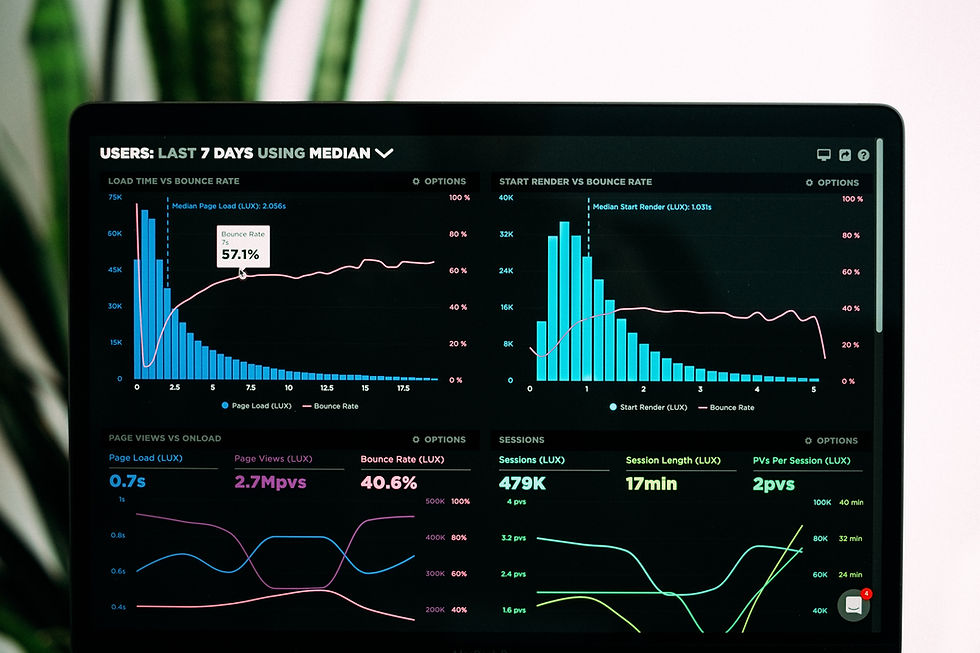
More specifically, by detecting historical trends, data analytics may be utilized to forecast future sales and purchase patterns. It can be applied to improve audience targeting and personalization as well as assess the success of marketing campaigns. Data analytics can be utilized in the healthcare industry to discover the best course of therapy for each individual patient and to create diagnoses that are more accurate. Data analytics is also utilized to improve everyday corporate operations.
Almost every industry uses data analytics, from marketing and advertising to education, healthcare, travel, transportation, and logistics, as well as finance, insurance, media, and entertainment. Consider the individualized suggestions you receive from services like Netflix and Spotify; data analytics is the driving force behind those.
How do you go about becoming a data analyst?
There are various things you must complete if you want to work as a data analyst. You must first become proficient in the required technical abilities and business tools. This includes learning how to use Excel, data visualization tools like Tableau and Power Bi, and in some situations, querying and programming languages like SQL, R Programming, and Python. You must become knowledgeable about the many types of data analysis and how to use them, as well as the entire data analysis process, from developing a problem statement through sharing your findings with important stakeholders.

You need to start developing your professional data analytics portfolio. Your portfolio highlights projects you've worked on and gives insight into how you work as a data analyst. This is critical for demonstrating to employers that you have the requisite knowledge and skills to work in the area.

Data analysts are in high demand, and a career in the area is diverse, financially rewarding, and extremely satisfying—your work as a data analyst will have a real, concrete impact on the business or organization. A specific program or course is one of the most successful ways to break into the industry. Anyone can retrain as a data analyst with a structured, project-based curriculum, the assistance of a mentor, and the support of other career changers.


Comments